The global gaming industry is a cultural and economic powerhouse, built on innovation, creativity, and the ability to captivate millions of diverse players. Yet, for an industry that thrives on new perspectives, its workforce has historically lagged in reflecting the full spectrum of its audience. For too long, the conversation around disability in gaming has been confined to player-side accessibility features. While crucial, this focus overlooks a more profound opportunity: integrating disabled professionals into the fabric of game creation itself. A truly inclusive industry isn’t just about making games for everyone; it’s about making games with everyone.
Hiring people with disabilities is not an act of charity; it is a strategic business advantage. Professionals with lived experience of disability bring an invaluable perspective that cannot be replicated through simulations or checklists. They are authenticity consultants, user experience experts, and creative problem-solvers whose insights can lead to more innovative game mechanics, relatable narratives, and universally designed products that benefit all players. When a development team is diverse, it is better equipped to identify and dismantle barriers, creating experiences that are not just accessible but genuinely welcoming. This shift from afterthought to a “nothing about us without us” methodology is the key to unlocking the industry’s next level of growth and creative excellence.
From Consumer to Creator: Reframing Disability as a Professional Asset
The skills honed while navigating a world not built for you—resilience, creative problem-solving, and a deep understanding of adaptation—are powerful assets in a tech-driven industry. The gaming sector is beginning to recognize that this lived experience translates directly into professional expertise across a wide range of roles, far beyond the often-siloed position of accessibility tester. A disabled professional’s perspective is a lens that can sharpen and improve every stage of the development pipeline.
This expertise is applicable in numerous domains. A writer with a mobility impairment can craft more authentic character narratives. A designer with low vision can pioneer new approaches to user interface (UI) and user experience (UX) design that prioritize clarity and readability for all. A project manager with a chronic illness may be exceptionally skilled at time and energy management, bringing new efficiency strategies to their team. The potential is immense and encompasses roles including:
- Community Management: Building safe, inclusive online spaces for players.
- Quality Assurance (QA) Testing: Providing detailed feedback on both accessibility and general gameplay.
- Narrative Design: Creating stories and characters that reflect a wider range of human experience.
- UX/UI Design: Ensuring that game interfaces are intuitive and usable for everyone.
- Technical Art and Animation: Innovating on visual cues and character representation.
Breaking Down Barriers: Remote Work and Inclusive Design in the Workplace
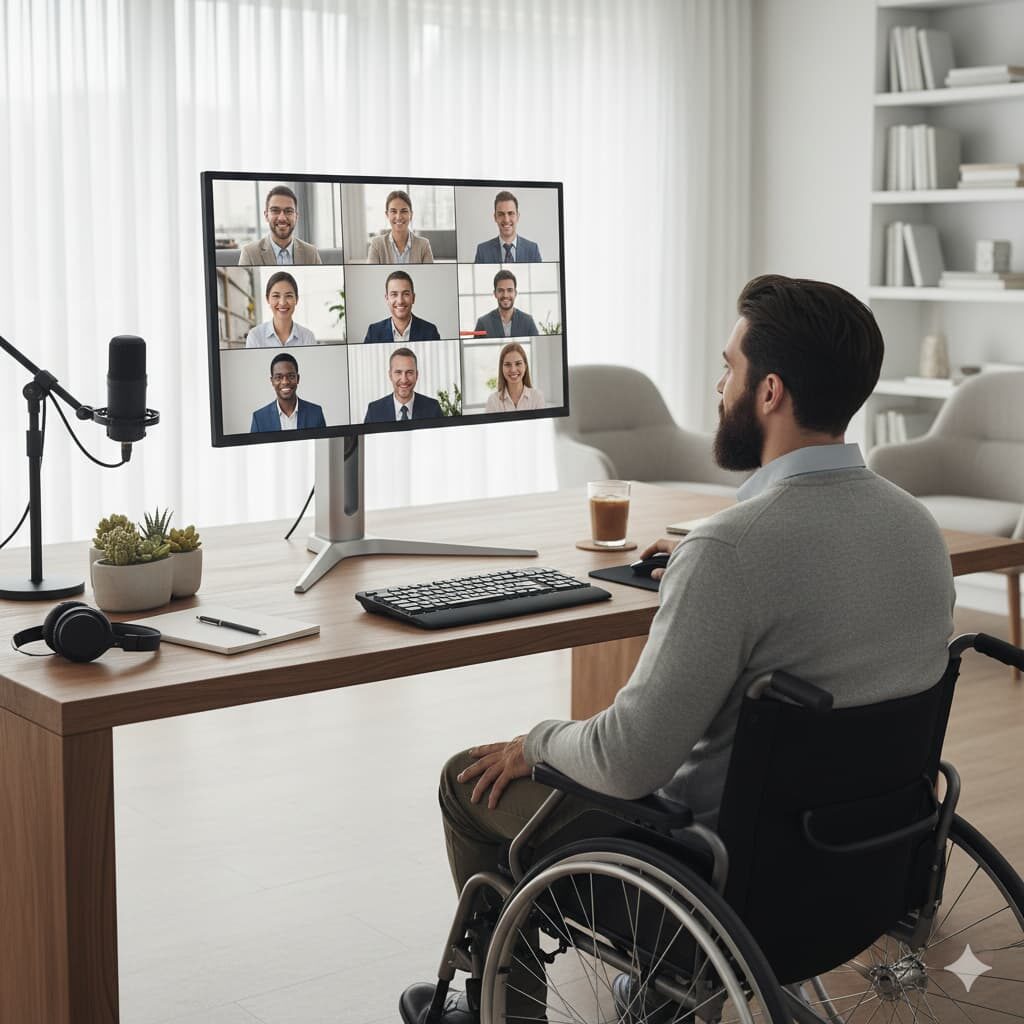
The widespread adoption of remote and hybrid work models has been a game-changer, dismantling many of the physical and logistical barriers that have historically excluded talented professionals with disabilities. For individuals with mobility challenges, chronic pain, or neurodivergence that makes a traditional office environment overwhelming, the ability to work from home is not just a perk—it’s the key that unlocks their career potential. This flexibility allows companies to tap into a global talent pool, no longer limited by geographical constraints or the need for a physical commute.
However, a remote setup alone does not guarantee inclusivity. True accessibility requires a conscious effort to build inclusive digital workplaces. This means providing accessible communication software, offering flexible work hours to accommodate medical appointments or fluctuating energy levels, and fostering a culture of trust and open communication. Furthermore, the principles of inclusive design must extend to the products being created. Game designers and developers with disabilities can offer unparalleled insights into the user experience of complex game mechanics. For example, analyzing the cognitive load and visual clarity of dynamic systems found in many modern online games, like those available for megaways free play, is a task where their feedback is invaluable. Their expertise helps ensure that excitement and complexity don’t come at the cost of exclusion, leading to a product that is more engaging for a broader audience.
Building the Pipeline: How Companies Can Attract and Retain Disabled Talent
To meaningfully diversify their teams, gaming companies must move from passive statements of support to active, intentional recruitment and retention strategies. The first step is to scrutinize the hiring process itself. Are job descriptions filled with exclusionary language or unnecessary physical requirements? Are interviews conducted in accessible locations (both physical and virtual), and are accommodations offered upfront? Companies like Microsoft’s Xbox have made significant strides by creating dedicated initiatives like the Gaming Accessibility Testing Service and championing inclusive hiring, setting a standard for the industry.
Retention is just as critical as recruitment. Creating a workplace culture where disabled employees feel valued and supported is paramount. This involves establishing Employee Resource Groups (ERGs) that give disabled staff a collective voice and a community of support. It means training managers on disability etiquette and the accommodations process, ensuring they are allies, not gatekeepers. Providing clear pathways for career advancement and mentorship is also essential, demonstrating a long-term commitment to employees’ growth. Aspiring professionals can also take proactive steps to showcase their unique value. An accessibility consultant, for instance, could build a powerful portfolio by critically analyzing popular titles. Reviewing a genie jackpots megaways demo to detail its accessibility successes and failures would be a practical, compelling way to demonstrate analytical skill and industry knowledge to a potential employer.
Ultimately, achieving true inclusion requires a holistic approach that embeds accessibility into every facet of a company’s culture and operations. It’s about building teams that reflect the world as it is, full of diverse, talented individuals. By opening their doors and offering a genuine seat at the table, gaming companies will not only enrich their products but also cultivate a more innovative, empathetic, and successful future for the entire industry.